
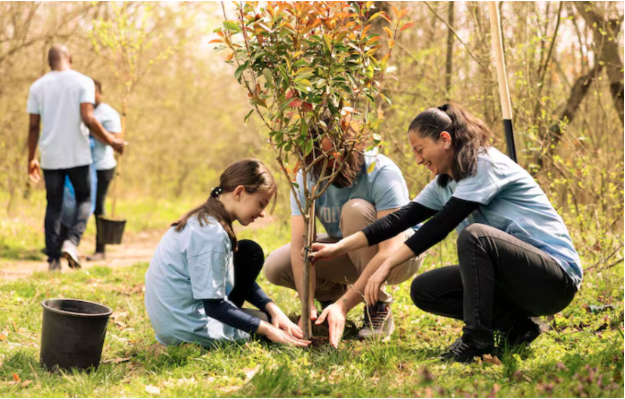

Trees are the silent sentinels of our landscapes, providing beauty, shade, and ecological benefits for decades. However, they are living organisms that require consistent attention to reach their full potential.
Many homeowners assume that trees are self-sufficient once established, but urban and residential environments often present challenges that trees would not face in a pristine forest.
By implementing a proactive maintenance routine, you can ensure your trees remain resilient, healthy, and visually stunning throughout the changing seasons. Proper stewardship today will prevent costly issues and ensure your green investments flourish for years.
Mastering the Basics of Proactive Tree Care
The foundation of long-term health is proper tree care, which starts with understanding the specific needs of your species. Deep, infrequent watering is generally superior to shallow, daily sprinkles because it encourages roots to grow downward rather than toward the surface.
Additionally, applying a thin layer of organic mulch around the base—without touching the trunk—helps regulate soil temperature and retain moisture.
Regularly monitoring for signs of stress, such as yellowing leaves or thinning bark, allows you to address nutrient deficiencies or pest infestations early before they compromise the structural integrity of your tree.
Utilizing a Professional Tree Trimming Service for Safety
While minor branch removal can be done at home, utilizing a professional tree trimming service is essential for larger tasks or specialized pruning.
Experts use precise techniques to remove dead, damaged, or diseased branches, which improves airflow and sunlight penetration throughout the canopy. This process not only keeps the tree aesthetically pleasing but also prevents heavy, weak limbs from breaking during high winds.
Certified arborists understand the biology of tree healing and know exactly where to make cuts so that the wounds close effectively, minimizing the risk of infection and decay within the trunk.
Ensuring Optimal Soil Health and Nutrient Levels
Trees depend entirely on the soil for the minerals required for growth. If your trees appear sluggish, it may be time to assess the soil composition. Conducting a soil test can reveal if the earth is too compacted, too acidic, or lacking in vital nutrients like nitrogen or potassium.
Aeration can help loosen compacted soil, allowing oxygen and water to reach the root zone more effectively. Incorporating slow-release organic fertilizers can provide a steady supply of nutrients, helping your trees build the vigor necessary to fight off diseases and environmental stresses.
Protecting Trees from Common Environmental Stresses
Trees are vulnerable to a variety of environmental pressures, including extreme temperature fluctuations and mechanical damage. Avoid hitting the trunk with lawn equipment, as even small nicks in the bark can provide an entry point for pests and pathogens.
In areas with high heat, white trunk wraps can prevent sunscald on young or thin-barked trees. By being mindful of how your lawn maintenance and local weather patterns impact your trees, you can create a safer environment that allows them to thrive without unnecessary external interference.
Monitoring for Pests and Pathogen Infestations
Early detection is the best defense against pests and diseases that can devastate a tree population. Inspect your trees regularly for unusual spots, webs, or insect colonies. Many common issues are manageable if caught before they spread, but they can become fatal if ignored.
If you notice persistent issues, consult with a plant health specialist to determine the best course of action. Often, a combination of cultural practices, such as proper watering and sanitation, combined with targeted treatments, can successfully manage infestations and protect your trees from long-term harm.